




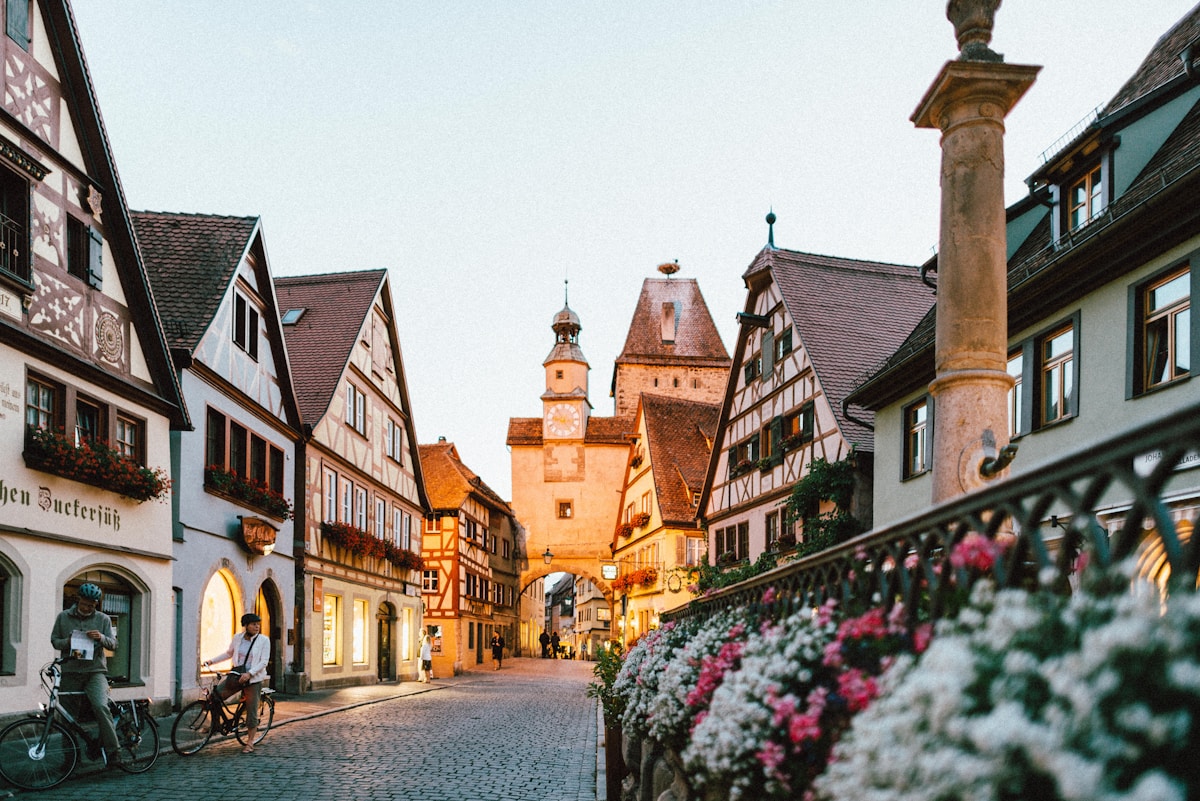
An identity you can see in the houses
San Bernardino, known as Paraguay’s “Villa Alemana”, owes much of its identity to the German immigrants who founded the town in 1881. That heritage shows in architecture, culture and tradition. This article traces the origin of that influence and the historic buildings that still carry it.
German settlement
In the nineteenth century, groups of German immigrants came to Paraguay looking for new opportunities and a place to keep their culture. San Bernardino began as a settlement for those families, who brought customs, language and building methods.
The settlers contributed to the area’s economic and social development: factories, schools and buildings in the architectural style they had brought with them.
Timber, pitched roofs and balconies
German architecture in San Bernardino is marked by wood and tiles, pitched roofs for rain, and balconies with ornamental detail. The look is about function and local climate as much as appearance.
Buildings to know
- Hotel del Lago: built in the first half of the twentieth century, an icon of the town. The design recalls European architecture: large windows, a timber structure and open spaces for the lake view.
- Casa Büttner: historic home of a founding family; today a museum and cultural centre. It keeps original furniture, objects and documents of German settlers’ life and their influence on the region.
- Iglesia San Bernardino: later altered, the first design had European inspiration and it remains a community landmark.
Care and visiting
The town works to preserve this heritage and to support cultural tourism. Guided walks and museum visits are a way to see the German legacy that marked San Bernardino.
Walking these buildings is a chapter of Paraguay in which European tradition met local culture and left an identity still visible in the street.